Know Your Air Conditioner Parts - The AC Capacitor
What Does the AC Capacitor Do?
Practically every sci-fi movie fan has heard of the flux capacitor, fictional technology that allowed time travel in the popular movie “Back to the Future.” The capacitor itself is a real device that stores a powerful energy charge. Scientists have been using capacitors since the late 1700s. Today, many high-energy applications use capacitors, including your HVAC system. Here’s what to know about the capacitor in the AC and why you should always call an HVAC contractor Santa Rosa to make repairs to one.
What Does the AC Capacitor Do?
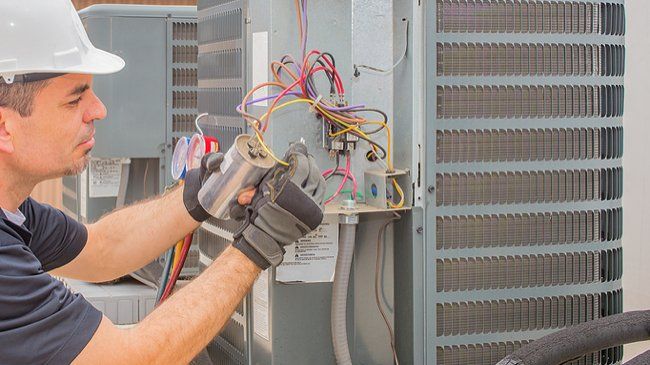
Your AC uses a lot of power, and it takes a big jolt of energy to get it started. The capacitor is often compared to a battery, but it’s not the same. Even though your AC is connected to your home’s electrical wiring, it isn’t enough to kickstart the AC when you need cool air. The capacitor compensates for the lack, making sure your AC has the energy to get the job done. Failed capacitors are a common problem because it is a strenuous job.
Signs of a Failing or Failed Capacitor
Because the capacitor is subject to high voltage, it’s not something that homeowners should DIY. Always call an experienced HVAC contractor Santa Rosa for repairs or replacement. The capacitor wears out over time, but it can also fail when extremely hot temperatures cause the device to overheat. Power surges or lightning strikes can also damage the capacitor. Here are signs that your AC’s capacitor is not working properly:
- Your AC won’t start the cooling cycle.
- Your AC shuts itself off.
- You aren’t feeling cold air when the AC is running.
- You hear a humming noise when the AC is running.
- Your energy bills went up without any reason.
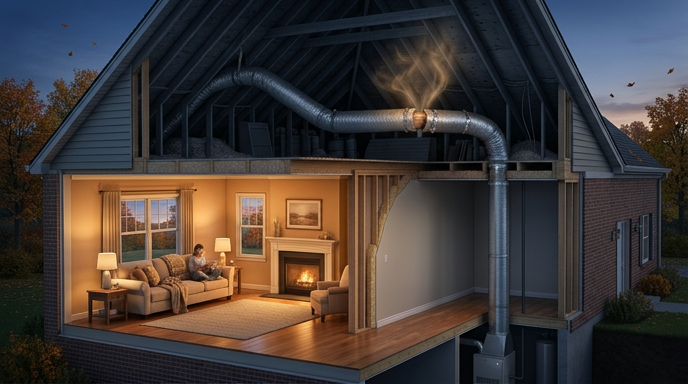
- You smell burning or see smoke from the AC unit.
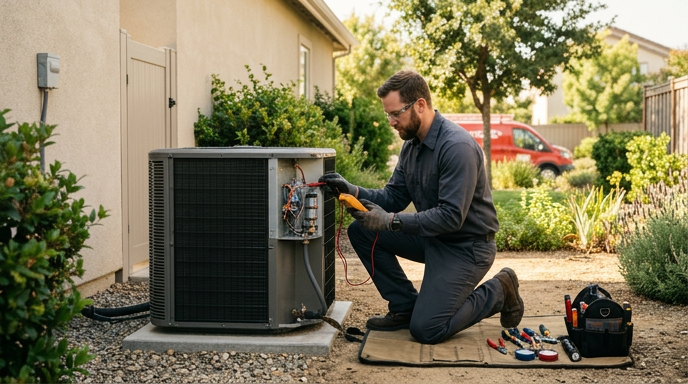
If you’re experiencing any of these problems, turn your HVAC unit off and call Next Level HVAC. An HVAC contractor has the tools and knowledge to test the capacitor’s current and to make repairs correctly. Some of the signs of a damaged capacitor are also signs of other problems with your HVAC unit. If the problem isn’t in the capacitor, a professional technician can check out other issues to find the problem.
Start and Run Capacitors – What’s the Difference?
ACs have two different types of capacitors. The start capacitor delivers the burst of energy it takes to start the motor. Once the motor gets running, the run capacitor stores and releases energy to maintain the motor. Some ACs have two single capacitors, while others have a dual capacitor system. If you have a system with single capacitors, if one breaks down, the technician may recommend replacing both parts with a dual capacitor. The dual capacitor is more convenient and usually easier to replace than single capacitors. If one capacitor has broken down, it would make sense to replace both to avoid the headache of the other one breaking down.
Keeping Your AC Running Efficiently
Although you can’t prevent a power surge from damaging your capacitor, you can have seasonal AC maintenance to make sure that your system is in the best condition to keep your utility bills low and to maintain a comfortable home. Our technicians perform HVAC seasonal maintenance before the summer season. Here’s what we do:
- Inspect and assess the system.
- Clean coils.
- Lubricate moving parts.
- Replace filters.
- Check refrigerant, pressures, blowers and electrical connections.
Preventative maintenance reduces unexpected breakdowns during peak usage. Our technicians often find frayed wires, rust, leaks and corroded parts that can be replaced before they shut your system down during the hottest part of the summer. Being proactive with your HVAC system can extend its lifespan and give you peace of mind that your HVAC isn’t eating up too much of your energy costs. We can also check your ductwork for leaks and other problems that keep your home from operating efficiently. If you’re having problems cooling certain rooms, we can help you find solutions.
Trust Next Level HVAC in Santa Rosa
We have plenty of openings in the spring for pre-season maintenance on your HVAC. For more information on taking care of your HVAC system,
contact Next Level HVAC in Santa Rosa. Our technicians are available night and day to get your home back to a comfortable temperature.
Share
More Posts That Might Interest You